Water Treatment vs. Water Conditioning: What's the Difference?
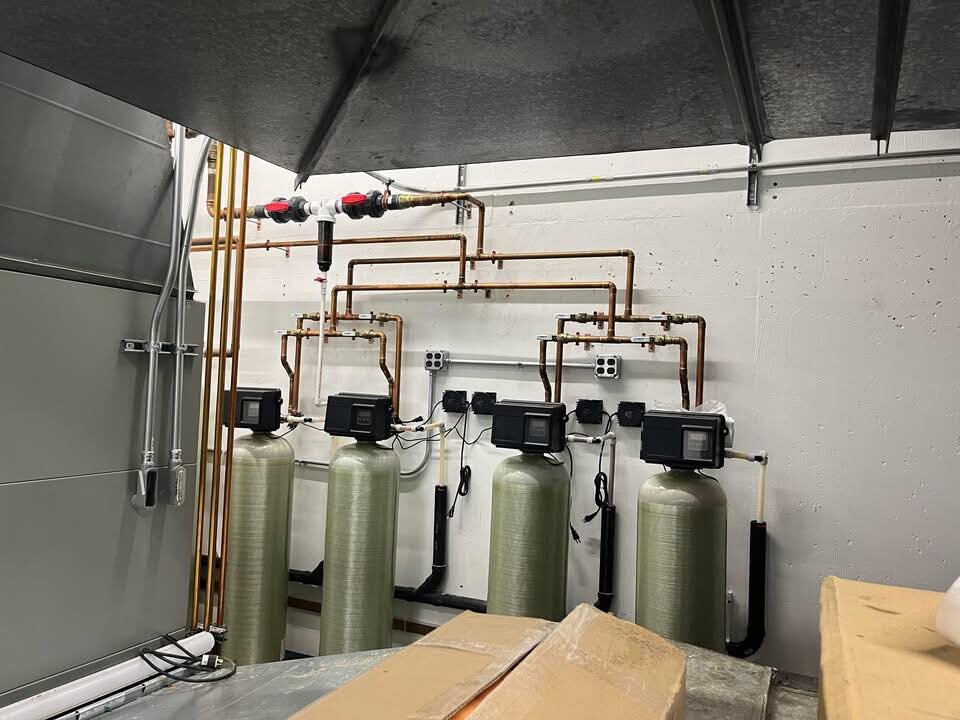
If you have been shopping for a way to fix your water, you have probably seen the terms water treatment and water conditioning used almost interchangeably. They are related, but they are not the same thing — and knowing the difference helps you spend money on the system that actually solves your problem.
Water conditioning: making water feel and act better
Conditioning is about the qualities you notice every day. A traditional water softener is the most common conditioning system. It removes the calcium and magnesium that cause hard water, which is why softened water rinses cleaner, leaves less scale on faucets and glassware, and is easier on your water heater and plumbing.
Signs you may need conditioning:
- White, chalky scale on fixtures, dishes, and shower doors
- Soap and shampoo that will not lather well
- Stiff laundry and spotty glassware
- Dry skin and hair after showering
Water treatment: removing what does not belong
Treatment is about water quality and safety — removing specific contaminants such as iron, manganese, sulfur (that rotten-egg smell), sediment, or bacteria. Treatment systems are chosen based on what a water test actually finds, which is why two homes a mile apart can need very different equipment.
Common treatment systems include iron and manganese filters, sulfur filters, sediment filtration, and UV disinfection for well water.
Which one do you need?
Many Wright County homes need a bit of both — for example, an iron filter ahead of a softener so the softener is not overwhelmed. The right combination depends entirely on your water. Hoss Plumbing installs and services both residential and commercial systems, and we can help you read your water test and match it to the right equipment.
Have your water tested, then give us a call at 612-290-1368 — we will help you make sense of the results.